rwandan genocide
20 items
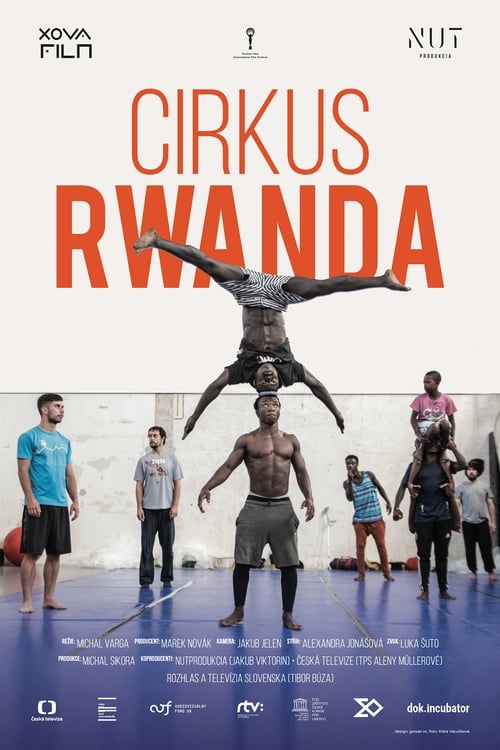
Circus Rwanda
Cirkus Rwanda
Eliseé survived the Rwandan genocide as a child. Today he leads an orphan acrobat group in a country, which heavily relies on foreign aid. He cares for the orphaned children and wants them to be happy, to have some sense in their lives. Rosta Novák built a worldwide-acclaimed circus group in Prague, where he successfully rules with a firm, paternal hand, but has permanently dark under-eye circles from the workload. The majority of Rwandese think that all people in Europe are fairy rich. On the other hand, many Europeans think that it is necessary to help Africa with everything. What happens, if we merge these two worlds in a film, during the preparation of a joint circus performance? What are the true motivations of our protagonists and what does it tell us about the Africa-Europe relationship? And who actually helps whom, in the end?
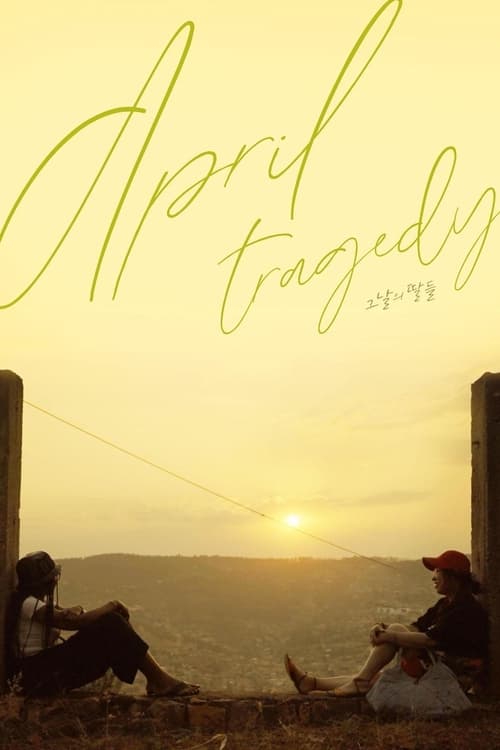
April Tragedy
그날의 딸들
The oral writer of the April 3 Uprising and a Rwandan who came to Korea to study face each other, have a conversation, and then go on a trip hand in hand. The two people, from different generations, nationalities, and occupations, have something in common: they are the daughters of massacre survivors.
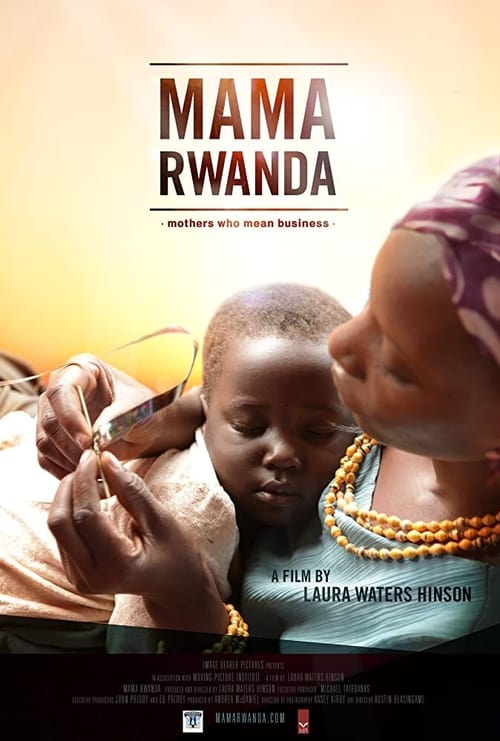
Mama Rwanda
MAMA RWANDA is the story of two women mixing the wit of motherhood with the spirit of entrepreneurship to overcome extreme poverty. Drocella, a village wife, and Christine, a city widow, represent a new generation of women business-owners transforming post-genocide Rwanda into one of the top ten fastest growing economies in the world. A modern tale of the work/life balancing act, MAMA RWANDA illuminates the remarkable lives of two working mothers in the developing world.
The Last Dog in Rwanda
Den sista hunden i Rwanda
David a 24-year old news-photographer is in Rwanda to report on the genocide. Together with the 30-year-older reporter Mats, he travels through the war-torn country and tries to portray the genocide of Tuti and moderate Hutu's in 1994.
Flowers of Rwanda
Flores de Ruanda
Rwanda. 14 years after the genocide that took the lives of more than 800,000 people. What situation is the country in now? What feelings reign in the hearts of the victims? Can victims and executioners coexist? What value does education have in a society that has experienced genocide? Can it happen again? Who should act when a genocide is taking place? Do we have any responsibility as individuals?
In the Shade of the Hills
À l'ombre des collines
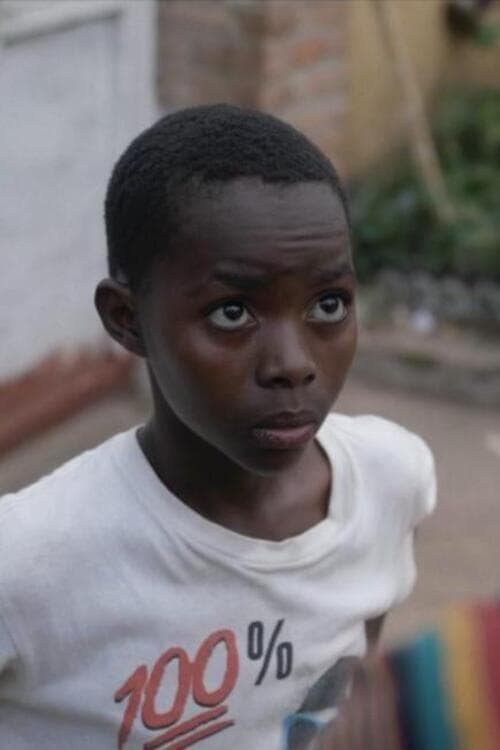
Amani is 31. When he was an infant, he survived the genocide against Rwanda’s Tutsi population. Three decades later, Amani has set up an organisation in Nyamirambo, one of the more economically impoverished districts of the country’s capital, Kigali. It employs creativity, artistic practice and performance to grapple with poverty and generational trauma – acknowledging that deep-seated ideologies can easily foment prejudice and create an environment that proved so catastrophic in the past.
Ejo
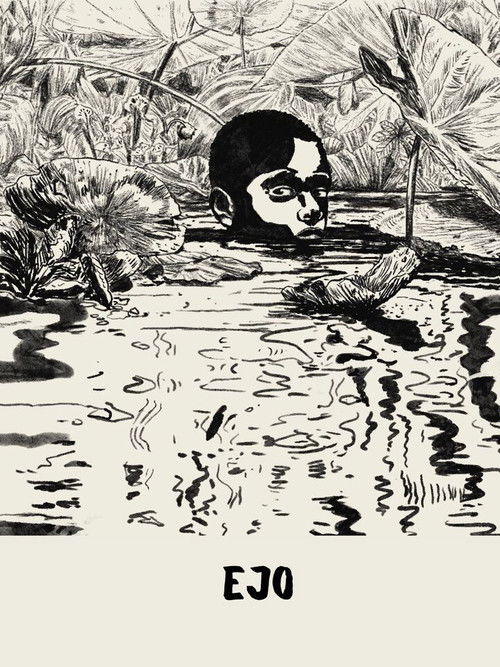
Rwanda. Summer of 1994. Didi (12) survived thanks to her smarts and hatred for all living creatures, especially humans. Eric (8) survived thanks to his wild imagination and sensitivity. The two kids of opposite tribes are forced to venture together into the post massacre land in search for food, new home and their lost souls.
Rwanda: History of a Genocide
Tuez-les tous !
French documentary about genocide in Rwanda
A Republic Gone Mad: Rwanda 1894-1994
Une république devenue folle
A history of racialism in Rwanda, from the European colonization to the 1994 genocide.
Diese Bilder verfolgen mich - Dr. med. Alfred Jahn
The Faces We Lost
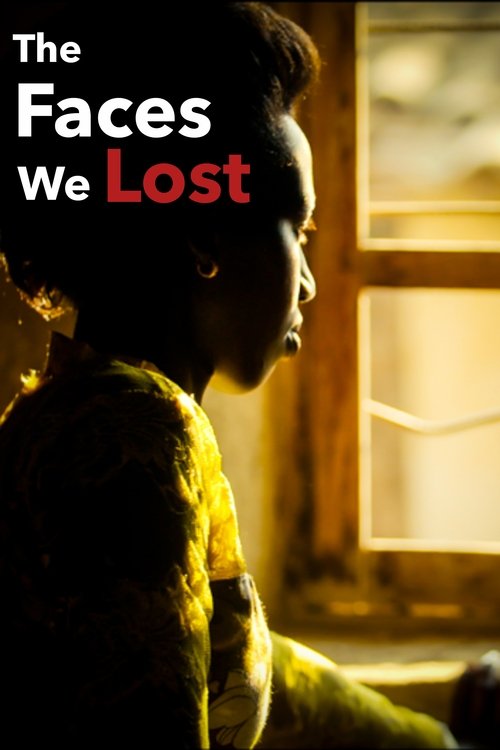
A documentary about how Rwandans use personal and family photographs to remember and commemorate the loved ones they lost in the 1994 genocide.
15
Ibuka
Ibuka follows Valentine and Jean-Claude, a new couple, at the very beginning of the civil war and the massacres that swept through Rwanda in 1994. Living in Kigali, the national capital, these young parents make numerous attempts to escape the killings with their newborn. Ibuka is a poetic work filled with tenderness and clarity about a historical tragedy, experienced through the intimacy and formation of a young family forever bonded.
Rwanda 1994 - La France face au génocide des Tutsi
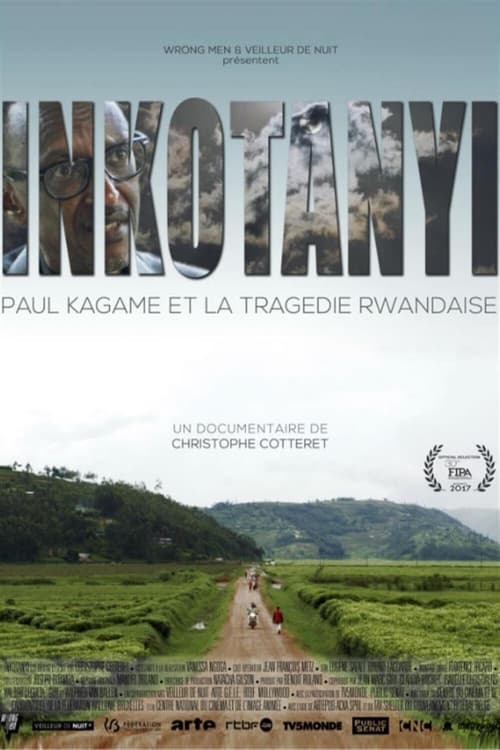
Inkotanyi
For the first time, light is shed on the Inkotanyi politico-military movement that ended the genocide of the Rwandan Tutsi in 1994 and is led by Paul Kagame, currently President of Rwanda.
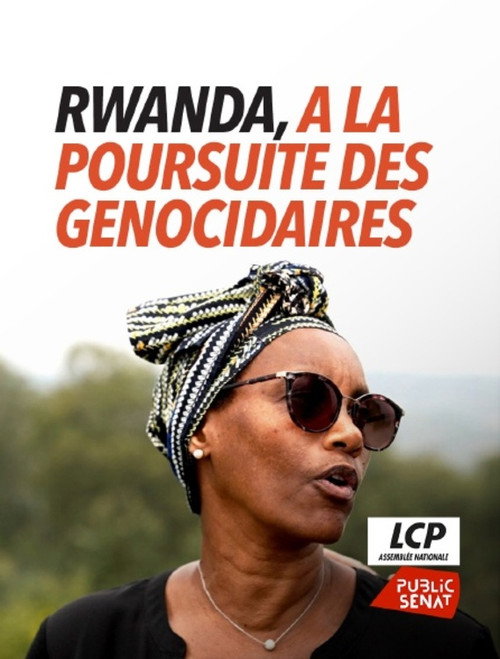
Rwanda, à la poursuite des génocidaires
Long Coat
Following the story of a genocide survivor as well as son of a killer, the film revolves around the meaning of an old coat and its symbolic value for the young boy’s dramatic past. (African Film Festival, New York)
Rwanda, vers l'apocalypse
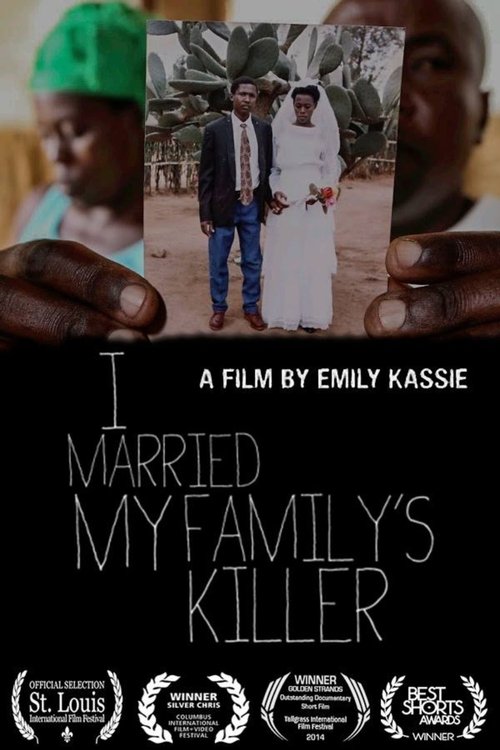
I Married My Family's Killer
Childhood sweethearts Beatrice and Purudenci plan to wed until Beatrice becomes hunted by Purudenci's family during the 1994 genocide in Rwanda.
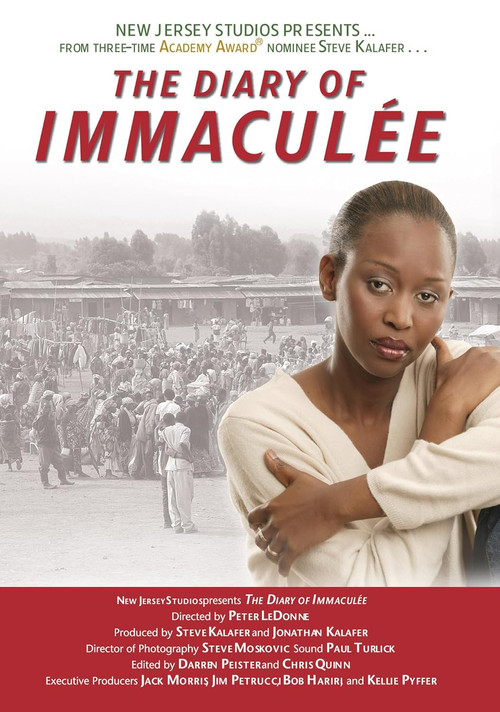
The Diary of Immaculée
Peter LeDonne and Steve Kalafer chronicle the extraordinary life of Immaculée Ilibagiza, a young African woman who escaped genocide in Rwanda and ultimately found refuge in the United States. Seeking shelter with an Episcopalian minister, Immaculée hid from her attackers inside a bathroom for three long months but stayed centered through prayer and faith.
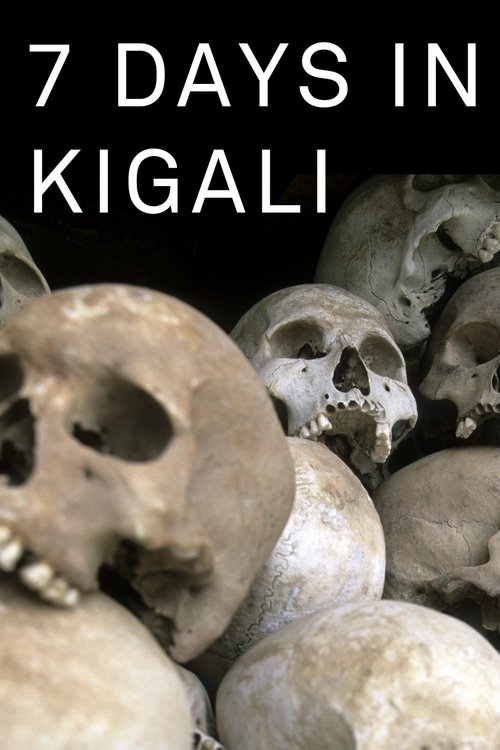
7 Days in Kigali, the week when Rwanda changed
7 jours à Kigali, la semaine où le Rwanda a basculé
What happened in Rwanda in 1994 was not simply the spontaneous eruption of inter-ethnic hatred. It was planned genocide, on an industrial scale. Something that was prepared for at least a year in advance. Lists were made. Weapons were collected. RTLM radio spent months conditioning their audience to believe that one sector of their population represented a threat.